
TPWallet — English Operation Tutorial and Strategic Analysis
Overview:
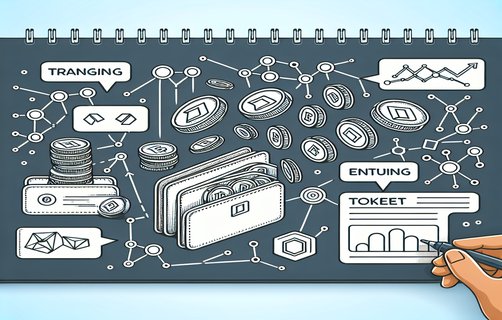
This document is an English operation tutorial and in-depth discussion of TPWallet covering private asset management, global digital platform features, expert evaluation, high-tech business models, orphan-block considerations (孤块), and fee rates.
1. Quick Setup (English UI)
- Download: obtain TPWallet from official site or app stores; verify signature/checksum.
- Install & Launch: choose English during onboarding.
- Create Wallet: select 'Create New Wallet' → set a strong password → write down 12/24-word seed phrase offline and store in multiple secure locations.
- Restore Wallet: use 'Restore Wallet' and input seed or private key.
2. Private Asset Management
- Keys and Encryption: TPWallet stores private keys encrypted locally (AES-256). Always enable device encryption and OS-level biometrics.
- Backup & Recovery: export encrypted backup file to USB or secure cloud with additional passphrase. Test recovery on a secondary device.
- Privacy Tools: use coin control, address reuse avoidance, and optional coin-mixing or integrated privacy chains. Consider hardware wallet integration for high-value holdings.
- Multi-account & Multi-sig: create separate accounts for savings, trading, and business; enable multi-signature for shared custody.
3. Global Digital Platform Features
- Multi-chain Support: TPWallet supports major chains and token standards, with built-in cross-chain bridges and aggregation for best price routing.
- Fiat On/Off Ramps: localized payment providers and KYC flow for compliance; support for multiple fiat currencies and local payment rails.
- Localization & UX: language selection, regional fee presets, and global customer support.
- Developer/API: SDK and REST/WebSocket APIs for integrations, dApps, and enterprise usage.
4. Expert Evaluation & Risk Analysis
- Security Posture: encryption, hardware wallet compatibility, code audits, and bug bounty programs are key maturity indicators.
- Compliance: assess KYC/AML flows, data residency, and regulatory licenses across jurisdictions.
- Usability: evaluate onboarding friction, fee transparency, and recovery guidance.

- Threats: phishing, seed exfiltration, supply-chain compromise; mitigation via education and multi-device recovery.
5. High-tech Business Model
- Revenue Streams: swap fees, fiat on/off ramp margins, premium subscription (advanced analytics, multi-sig management), enterprise SDK licensing.
- Tokenomics: optional native token for governance, fee discounts, staking rewards to align user incentives.
- Partnerships: custody providers, liquidity aggregators, payment processors, and localized compliance partners.
- Scalability: microservices backend, decentralized indexing, and caching for low-latency global access.
6. 孤块 (Orphan Block) & Transaction Reliability
- Definition: an orphan (孤块) is a mined block not accepted into the canonical chain. Wallets should treat transactions as confirmed only after sufficient confirmations to avoid reorg-related reversals.
- Best Practice: display confirmation count, recommended required confirmations per chain (e.g., 6 for BTC, 12+ for low-security cases), and support reorg detection.
7. Fee Rates & Optimization
- Fee Types: network (miner/validator) fees, service fees (TPWallet swap or bridge fees), and fiat conversion fees.
- Dynamic Fee Estimation: use real-time mempool or gas oracle; present slow/standard/fast options with estimated cost and time.
- Fee-saving Strategies: batch transfers, layer-2 or sidechain use, time-of-day optimization, and using pooled transactions for small payments.
8. Operational Recommendations
- For individuals: enable hardware wallet, use separate accounts, and educate on phishing.
- For enterprises: integrate multi-sig, custody services, and audit trails; use dedicated fee policies and reconciliation.
Related titles:
- "TPWallet Practical Guide: From Setup to Advanced Asset Management"
- "Secure Global Wallet Operations: TPWallet Best Practices"
- "Fees, Orphan Blocks, and Cross-Chain Strategies for TPWallet"
- "TPWallet Business Model: Tokenomics and Revenue Opportunities"
Conclusion:
TPWallet can serve both retail and institutional users when combined with strong private-asset practices, transparent fees, global platform integrations, and robust security measures. Key priorities are rigorous backup discipline, verified bridges and liquidity sources, clear UX for fees and confirmations, and continuous independent auditing.
评论
CryptoLily
Very practical guide — clear steps for backups and fee optimization. Helped me decide to enable hardware wallet integration.
张凯
关于孤块和确认次数的解释很实用,尤其对于跨链转账风险管理很有帮助。
NodeRunner
Good breakdown of business model and API options. Would like more examples of fee-savings with L2s.
梅子
语言切换与本地化支持的部分写得很好,作为全球用户这点很重要。